Game server hosting
Minecraft: Crossplay server hosting
Java and Bedrock players, in one world.
Minecraft: Crossplay server hosting CloudShield DDoS protection and automatic backups included.

No card needed. Keep it any time and your world carries over.


Pick your plan
Per-GB pricing, no setup fees, upgrade any time.
Halloween sale — 15% off for life · code HALLOWEEN15
Built for Minecraft: Crossplay
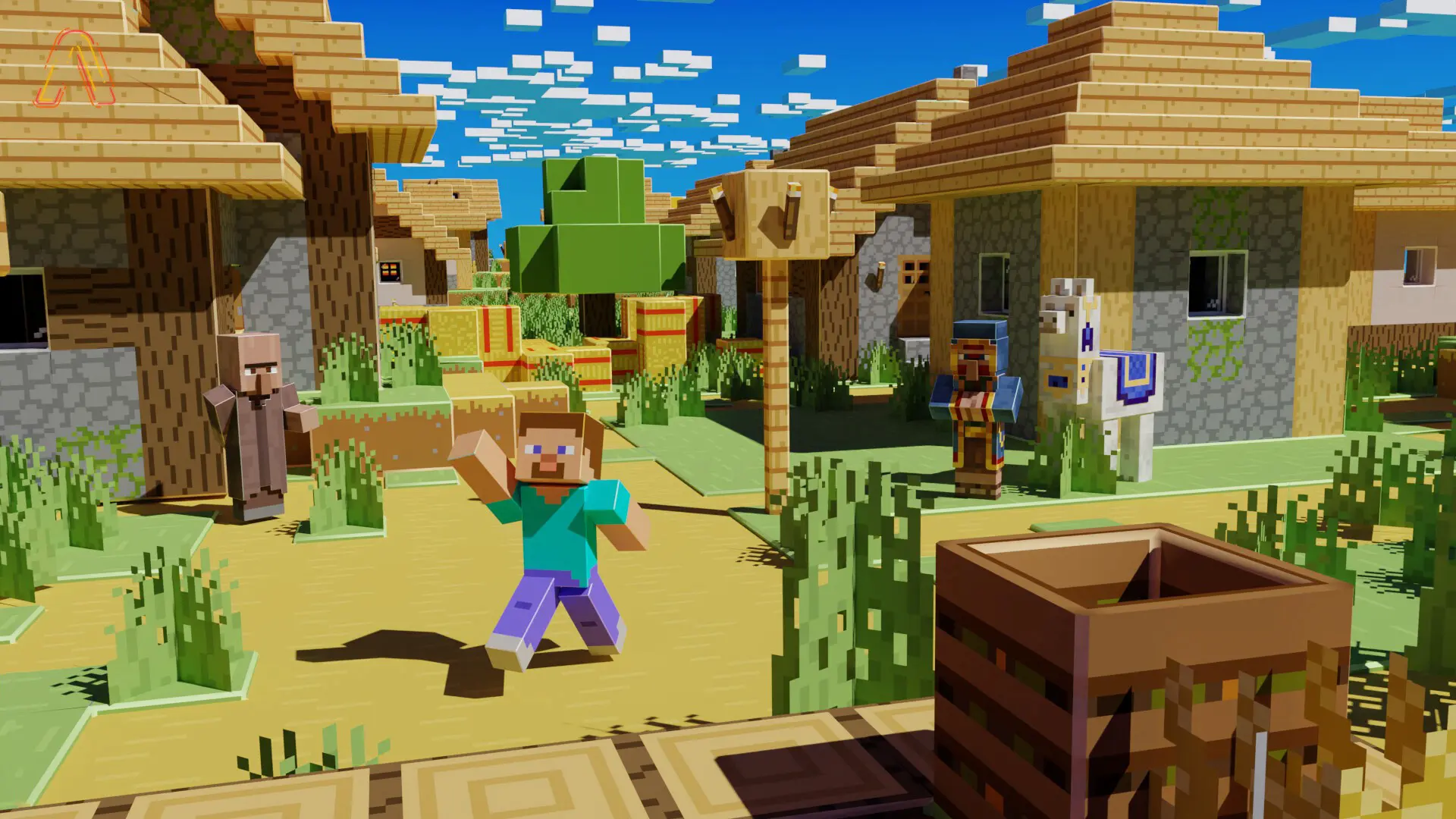
Java and Bedrock players share one server with no manual setup.
PC, mobile, console and tablet all connect to the same world.
Automatic, in real time — no plugin configuration needed.
Mods and plugins run for whichever platforms support them.
Everyone on the same map
Your Java friends and your Bedrock friends land in the same world, at the same coordinates, with the same builds in front of them. Nobody keeps a second save, and nobody is asked which version they own before they can join.
Keep your plugins and commands
Underneath, this is Paper with a translation layer in front of it. Permissions, economy plugins, world guards and command blocks all behave exactly as they did, so a server you already run can take Bedrock players without being rebuilt.
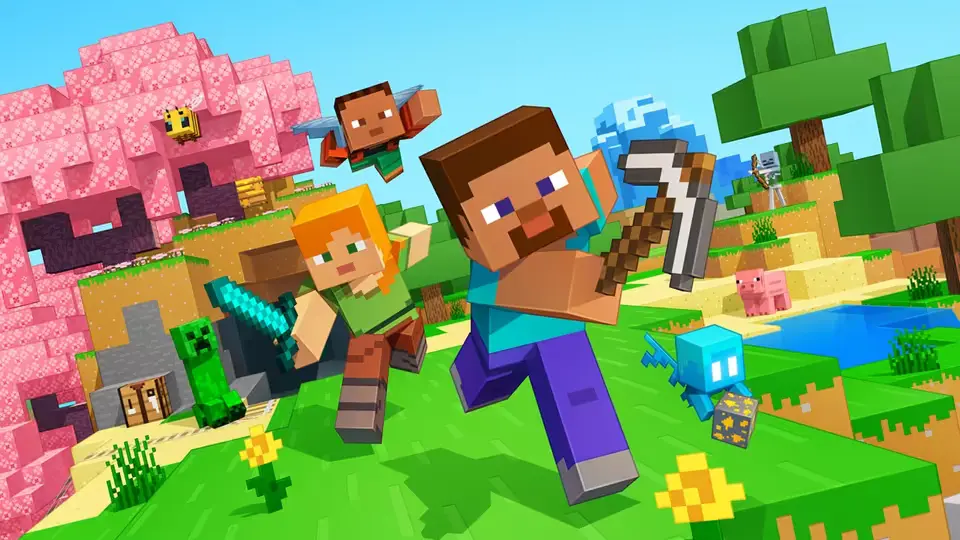
Console, phone and PC together
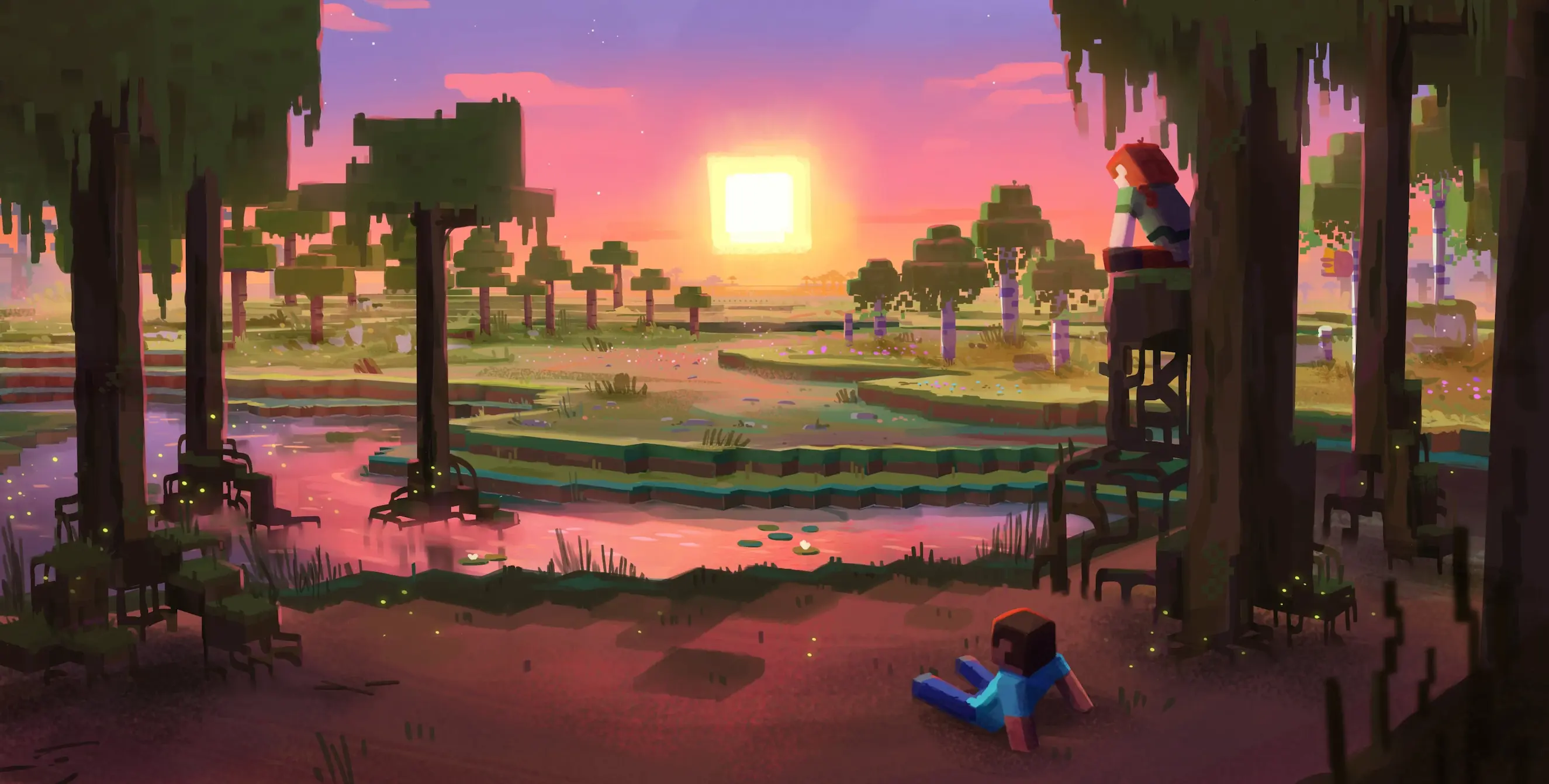
Switch, PlayStation, Xbox, iOS, Android and both PC editions connect to one address. Send a friend the IP and the port and they are in, whatever is under the television.
How does Crossplay work?
Geyser is a middleware that translates all incoming and outgoing packets between Java and Bedrock editions. It works as a standalone proxy, enabling any modern Minecraft Java server to accept Bedrock connections. When installed as a plugin on your server, Geyser seamlessly enables compatibility with Minecraft: Bedrock Edition, allowing players from all platforms to join your community.
Players can join directly from their preferred Minecraft version
Seamless conversion between Java and Bedrock protocols in real-time
Compatible with all modern Minecraft versions across platforms
Platform-specific features remain intact for all players
Creators who run their communities on CloudNord.






Every plan includes
Running a Minecraft: Crossplay server
A crossplay server is ordinary Java software with Geyser and Floodgate in front of it, translating the Bedrock protocol in both directions. Everything the server itself understands is Java: Java rules, Java plugins, Java redstone. What changes is who can reach it, because phones, consoles, tablets and PCs all arrive in the same world. Plan around plugins rather than mods, leave a little headroom for the translation layer, and the rest behaves like any Paper server.
How much RAM do you need?
A guide, not a limit — you can change plan later without losing your world.
Getting started
Add roughly a gigabyte on top of what a Java-only server would need, because Geyser and Floodgate run beside it. Then take the nearest of our 18 locations to your players.
Geyser is a plugin, so the server underneath has to be a plugin server. Paper is the common choice. Fabric and standalone builds exist, but the plugin route is the simplest one.
Geyser arrives configured. Confirm the Bedrock port, and leave Floodgate on so Bedrock players join without owning Java Edition. Their usernames carry a dot prefix by default.
Java players use the host and port as normal. Bedrock players enter the same host with the Bedrock port, typed in by hand, because Bedrock clients ignore SRV records.
Turn one server into two, for the same money
Need a database, a test server or a second world? Split RAM off the server you already have. You are re-allocating memory you already pay for, so the total barely moves — no second order, no migration.
Minecraft: Crossplay
Minecraft: Crossplay
Same world, same players, same address.
MariaDB
A database server of your own.
$28.19 before · $28.58 after — two servers, one bill
A real database, not a shared one
Split off a database and you get your own MariaDB, PostgreSQL or MongoDB server — its own RAM, its own storage, its own version. Not a schema on a box shared with a thousand other people.
Dedicated RAM and CPU. A heavy query on someone else's database can't slow yours down.
MariaDB, PostgreSQL or MongoDB, each with every version worth running — choose at creation, keep it until you decide otherwise.
Create databases and users, browse tables and run queries from the browser.
Point your plugins at it over the private network — no public exposure needed.
Splitting is done from your server's page once it is running — nothing to order.
Before you order
The things people ask about Minecraft: Crossplay hosting before they deploy. Anything else — the crew is around 24/7.
Ask on Discord18 locations worldwide
A global network of high-performance nodes, so you get the best possible ping no matter where your players are.


DDoS protection, included
Every server sits behind always-on filtering at the network edge. Attack traffic is dropped before it reaches your node, so your players stay connected and you are not billed extra for the privilege.
Nothing to enable, configure or buy as an add-on. Active from the moment your server is created.
Volumetric traffic is dropped upstream of your node, so your CPU and RAM keep serving players.
Rules are tuned for game protocols, so real players are not caught alongside the attack traffic.
Mitigation starts automatically. If something does get through, support can see it and respond.
Powered by a 10Gbps network
Every node sits on a 10Gbps uplink with direct routes into the major exchanges, so traffic reaches your players over as few hops as possible. Less distance, fewer transits, lower and steadier ping.
Direct peering with Tier 1 networks and major exchanges. Availability varies by location.
Same infrastructure, every game
AMD Ryzen 7 7700 or equivalent nodes, DDR5 RAM, NVMe storage and a 10Gbps network, in 18 locations across Europe, North America, Asia-Pacific, South America and Oceania.